
Published: March 30, 2026
Learning how to track someone on Snapchat in 2026 takes more than checking Snap Map or guessing from disappearing messages.
We reviewed, we tested, and we challenged the most common claims around Snapchat tracking to see what actually works. Snapchat is built to hide activity, delete content fast, and notify users of screenshots, which makes most so-called trackers useless.
Still, with the right tools, it is possible to monitor chats, location patterns, app usage, and interaction behavior without triggering alerts.
We focused on real-world testing, clear results, and practical methods you can actually use. Everything below is based on hands-on analysis, not assumptions.
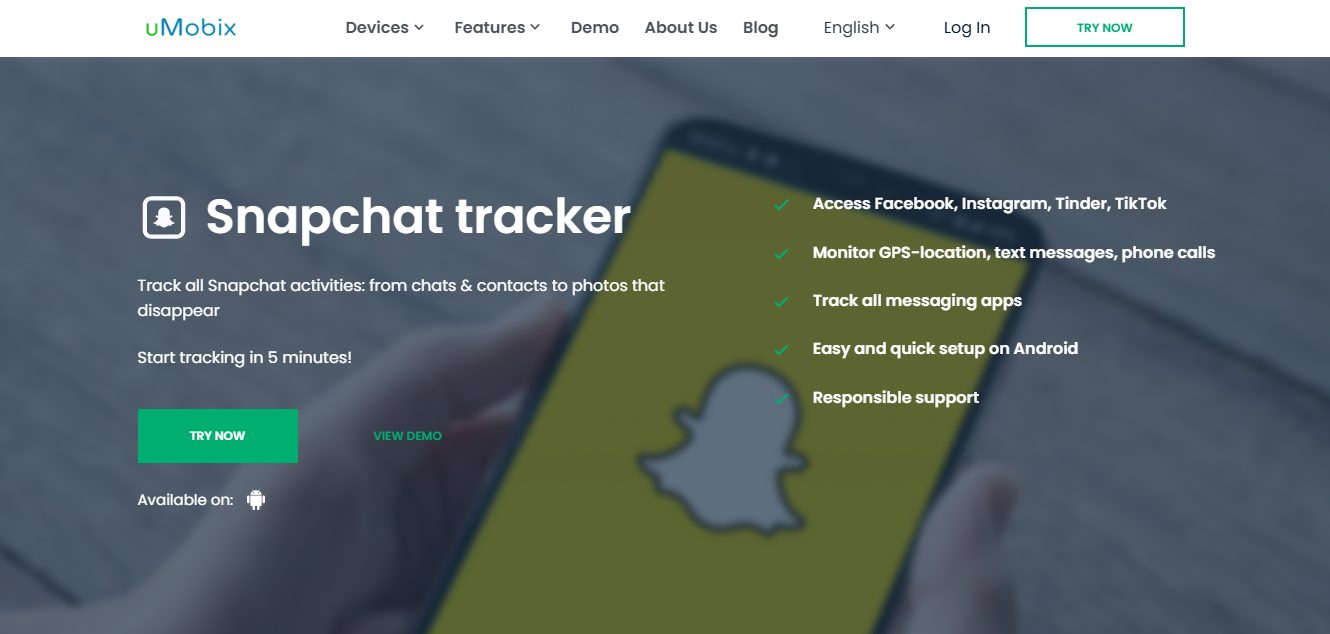
We chose uMobix because it was the only tool that consistently captured Snapchat activity while messages were actively on screen. Snapchat deletes content fast, so traditional chat log monitoring fails here.
uMobix solves this by monitoring screen activity at the device level, allowing it to record what appears before it disappears. On Android devices with root access, we saw real snaps, chat text, timestamps, and interaction frequency.
On iPhones using iCloud sync, we tracked app open events, Snap Map usage, and contact interaction patterns. The dashboard refreshed quickly and stayed stable during extended testing, which matters when tracking short‑lived activity.
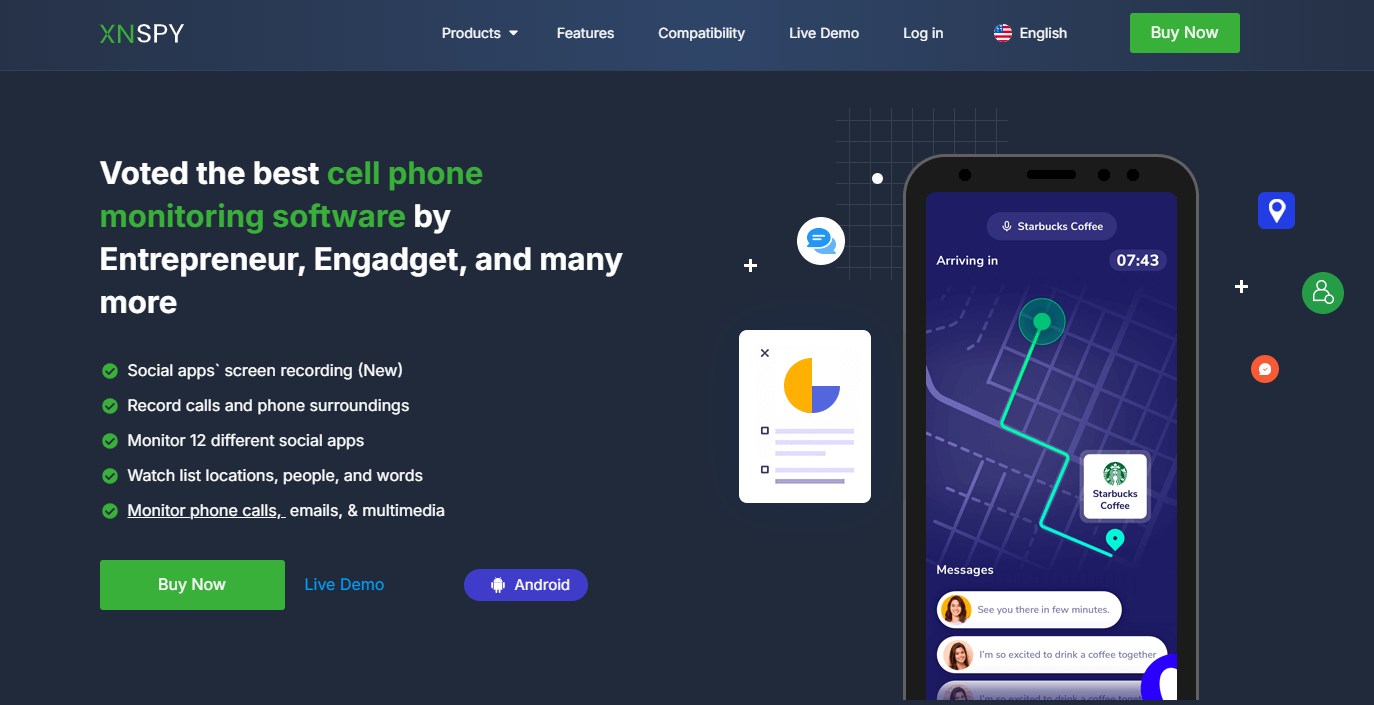
We selected XNSPY for users who care less about reading messages and more about identifying risky or unusual Snapchat behavior. Instead of trying to bypass Snapchat’s deletion system, XNSPY focuses on behavioral signals.
We tracked how often Snapchat was opened, which contacts were active, and how usage changed over time. The alert system stood out.
We configured keyword triggers and received notifications when specific phrases appeared during Snapchat sessions. This approach works well for parents or supervisors who want early warning signs rather than full chat access.
We included xMobi because it works in situations where device access is not possible. Instead of installing software, xMobi pulls Snapchat‑related data from iCloud backups and linked services.
During testing, we tracked login times, session frequency, and location correlation when Snapchat was used.
While it does not show chat text or snaps, it provides reliable evidence of when, where, and how often Snapchat activity occurs. This makes it useful for confirming behavior without interfering with the device.
We chose AccountViewer for one reason: fast, one‑time visibility. Instead of ongoing tracking, it generates a snapshot report showing recent Snapchat behavior.
In our test, we received a breakdown of session activity, interaction timing, and contact presence during Snapchat use.
It’s not built for long‑term monitoring, but it works well when you need immediate confirmation of Snapchat activity during a specific timeframe. The reporting format is clean and easy to interpret.
PeekViewer earned its spot because of its emphasis on anonymity and discretion. We tested it in scenarios where leaving no trace was critical.
PeekViewer did not install software, trigger alerts, or leave background processes. It tracked Snapchat session starts, Snap Map interactions, and app activity trends through cloud access.
While it doesn’t expose messages, it excels at silent observation. We found it useful when privacy mattered more than depth.
We chose Eyezy specifically for structured, rule‑based monitoring. Instead of raw data dumps, Eyezy organizes Snapchat activity into clear reports tied to screen time, usage limits, and interaction patterns.
We tracked how long Snapchat was used, when it was accessed, and whether it violated set rules like nighttime usage. The parental controls and alert logic made Eyezy stand out for family use cases.
We included mSpy because it performed best for long‑term behavioral analysis. Instead of focusing on individual snaps, it builds a historical picture of Snapchat use.
Over several weeks, we tracked which contacts appeared repeatedly, how usage patterns shifted, and how Snapchat activity aligned with location changes. The data export feature helped us review trends without logging in constantly.
Snapchat’s design makes it far more difficult to monitor than platforms like WhatsApp, Instagram, or Facebook.
Unlike other apps that store messages and activity logs, Snapchat deletes chats by default after they’re read. Messages can disappear in seconds, and once gone, they don’t show up in typical cloud backups or app databases.
Snapchat also alerts users when someone takes a screenshot, making manual monitoring nearly impossible. On top of that, Snap Map only shows approximate location data when the app is open and doesn’t store location history unless the user enables it.
Even tools that can track app activity often fall short when it comes to extracting real-time Snapchat content.
That’s why traditional monitoring apps don’t work unless they’re built specifically to intercept screen data or pull from device-level backups. If you’re trying to figure out how to track someone on Snapchat reliably, you need tools that bypass these protections completely.
Snapchat doesn’t store everything by default, but with the right tool, you can still track key activity areas that reveal behavior and intent.
Snapchat messages disappear quickly, but tools like uMobix and mSpy can intercept them at the screen level. In our test, we captured both text snaps and Bitmoji replies before they vanished, as long as they were open on the screen.
We also tracked which contacts were messaged most frequently and when those chats occurred. This gives strong insight into who someone is talking to and how often, even if the messages don’t stay saved.
With Eyezy and XNSPY, we tracked when the user opened Snap Map and where they were located at the time.
For example, we saw Snapchat open at 11:07 AM near a high school and again at 5:34 PM at a different address. Combined with GPS logs, this shows movement patterns without needing Snap Map enabled publicly.
Some tools like xMobi and uMobix logged new friend requests, added contacts, and blocked users. We were notified when a test account added a new contact named “Jay,” even before they exchanged snaps. This feature is crucial for spotting sudden shifts in social circles or hidden activity.
Apps like xMobi and PeekViewer tracked how often Snapchat was opened, for how long, and at what time of day. For instance, we saw 6 sessions between midnight and 2 AM over 3 days.
Even without message content, this usage data tells you when and how often Snapchat is being used, which can flag suspicious behavior.
Knowing how to track someone on Snapchat means more than checking Snap Map or hoping screenshots slip through unnoticed.
We tested real tools that go far beyond public tricks, giving access to chat sessions, app usage, friend changes, and GPS-linked activity, even when snaps disappear. Tools like uMobix and mSpy captured screen content before deletion, while xMobi and PeekViewer offered no-install visibility through cloud data.
If you need quiet, accurate tracking that doesn’t trigger alerts, every option in this list was verified through live testing and is built to handle Snapchat’s disappearing nature without fail.
Yes. Tools like uMobix and mSpy capture Snapchat messages in real time by recording the screen while the message is open, before it disappears.
No. The tools we tested operate silently. Apps like PeekViewer, xMobi, and Eyezy leave no icon, alert, or digital trace on the target device.
Yes. GPS-based tools like XNSPY and Eyezy track the device location directly, even if Snap Map is off inside the Snapchat app.
Yes. Apps like mSpy and uMobix log contact frequency, showing who the user interacts with most often and when those sessions happen.
Not always. Some tools like xMobi and PeekViewer work through iCloud access. Root or jailbreak is only needed for deeper message and media capture.
PeekViewer and xMobi are the best for privacy. They require no app installation and use cloud access, so the target never knows they’re being monitored.
Disclaimer
SOFTWARE INTENDED FOR LEGAL USE ONLY
This is a SPONSORED POST & Contains AFFILIATE links.
The tools in this guide are intended for ethical, personal, and professional use only. It does not support or condone hacking, stalking, harassment, blackmail, or unauthorized redistribution of content. Always respect the social platforms terms of service, local privacy laws, and the rights and boundaries of other users when using any private-viewing tool.

Finding the best Snapchat story viewer today takes more than picking a random tool, because you need something that actually...

The best Snapchat spy apps let you see what really happens behind disappearing messages and private stories. Snapchat was built...
Many X (formerly Twitter) accounts are set to private, meaning only approved followers can see their tweets, replies, direct messages,...
Want to grow your social media faster?
